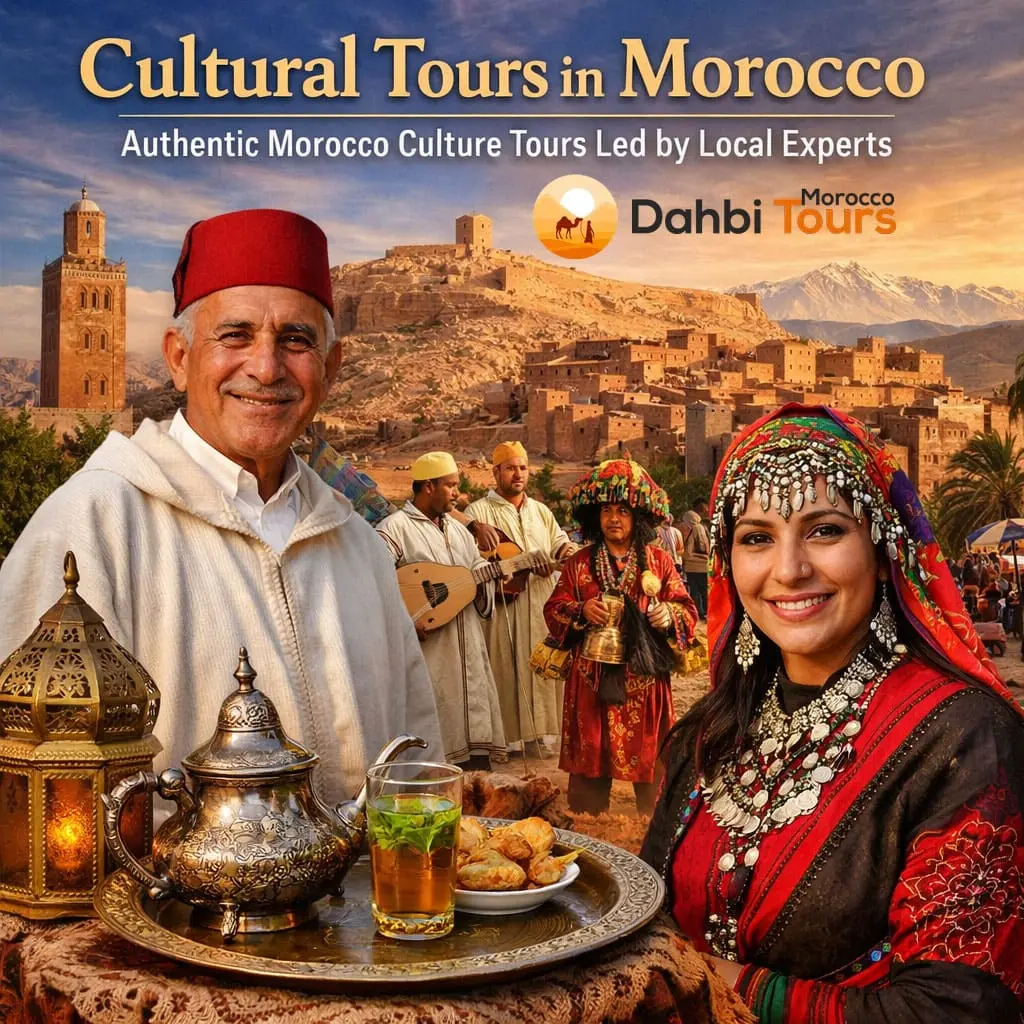
Cultural Tours in Morocco : Authentic Morocco Culture Tours Led by Local Experts
Discover the true soul of Morocco through immersive cultural tours in Morocco designed for travelers who want more than just sightseeing. Our Morocco culture tours go beyond classic itineraries, offering deep connections with local traditions, history, architecture, cuisine, and everyday life. This guide demonstrates our deep authority in creating transformative Moroccan cultural journeys, crafted by the Dahbi team’s Moroccan resident specialists to be your definitive resource. Experienced local professionals guide each journey, crafting a private luxury tour rooted in real encounters, expert knowledge, and responsible tourism practices.
From ancient medinas and UNESCO World Heritage sites to Berber villages, traditional music, and time-honored crafts, our cultural tours are built on years of hands-on experience and a profound understanding of Moroccan heritage. We focus on small groups, ethical travel, and personalized itineraries to ensure trust, comfort, and cultural respect, all of which make your cultural trip to Morocco meaningful, educational, and unforgettable.

This tour get 4.9 out of 5 Based on 339 reviews.
Why Choose Cultural Morocco Tours?
Expert led cultural tour Morocco:
Our cultural tours in Morocco are designed by local experts to offer authentic, immersive experiences rooted in real Moroccan heritage. Guided by knowledgeable professionals, you’ll explore ancient medinas, UNESCO sites, Berber villages, and living traditions with meaningful cultural insight.
We focus on small-group and private Morocco culture tours, ensuring personalized journeys, deeper local interactions, and flexible itineraries. Our approach supports ethical, community-based tourism while maintaining high standards of comfort, safety, and transparency.
With trusted local guides, clear pricing, and tailor-made itineraries, we deliver cultural travel experiences that are authentic, educational, and truly memorable.
0
+
Happy Travellers
0
+
Years experience
0
+
Tour Reservation
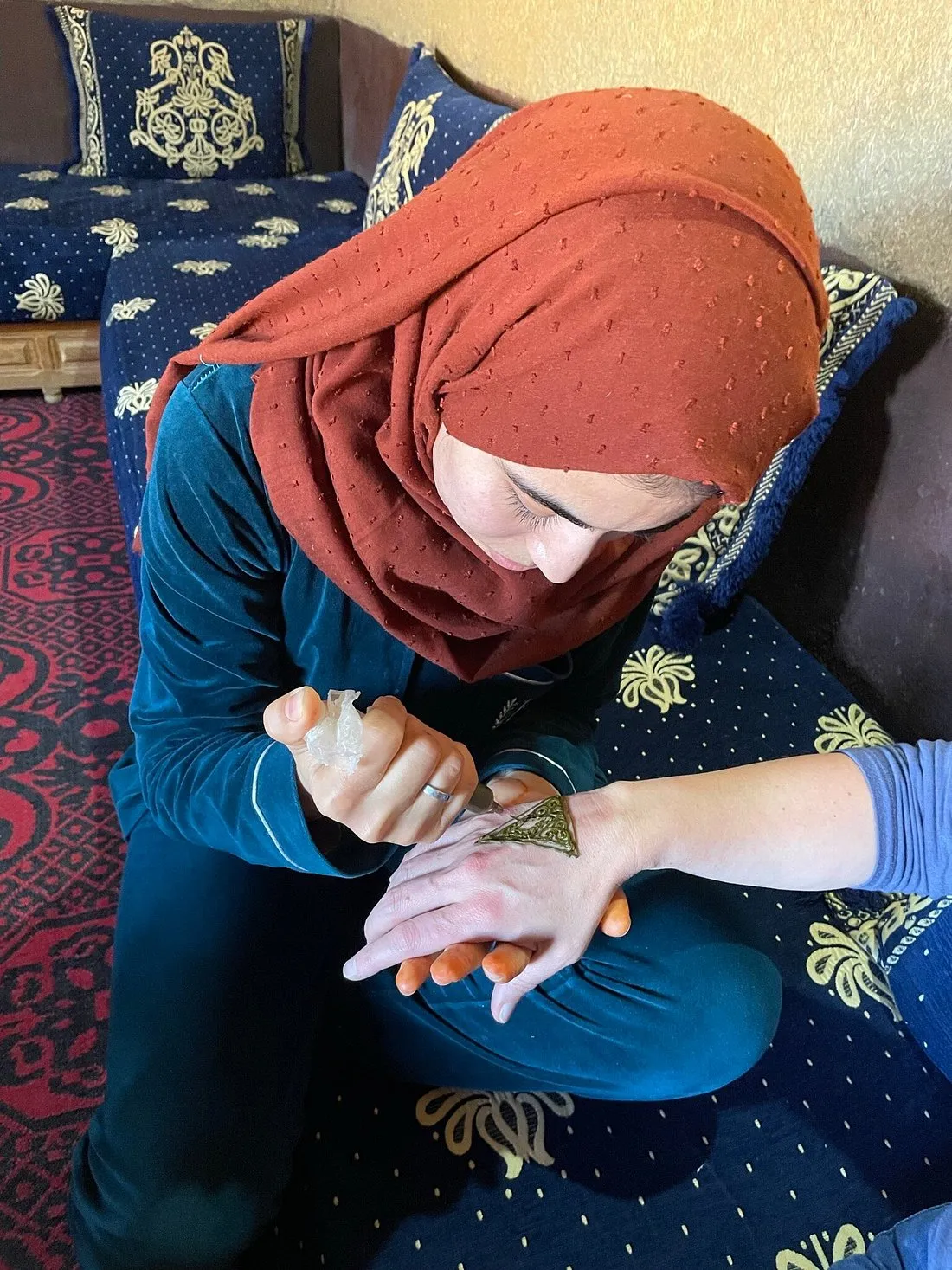
Our Real Photos from Cultural tours in (2026)
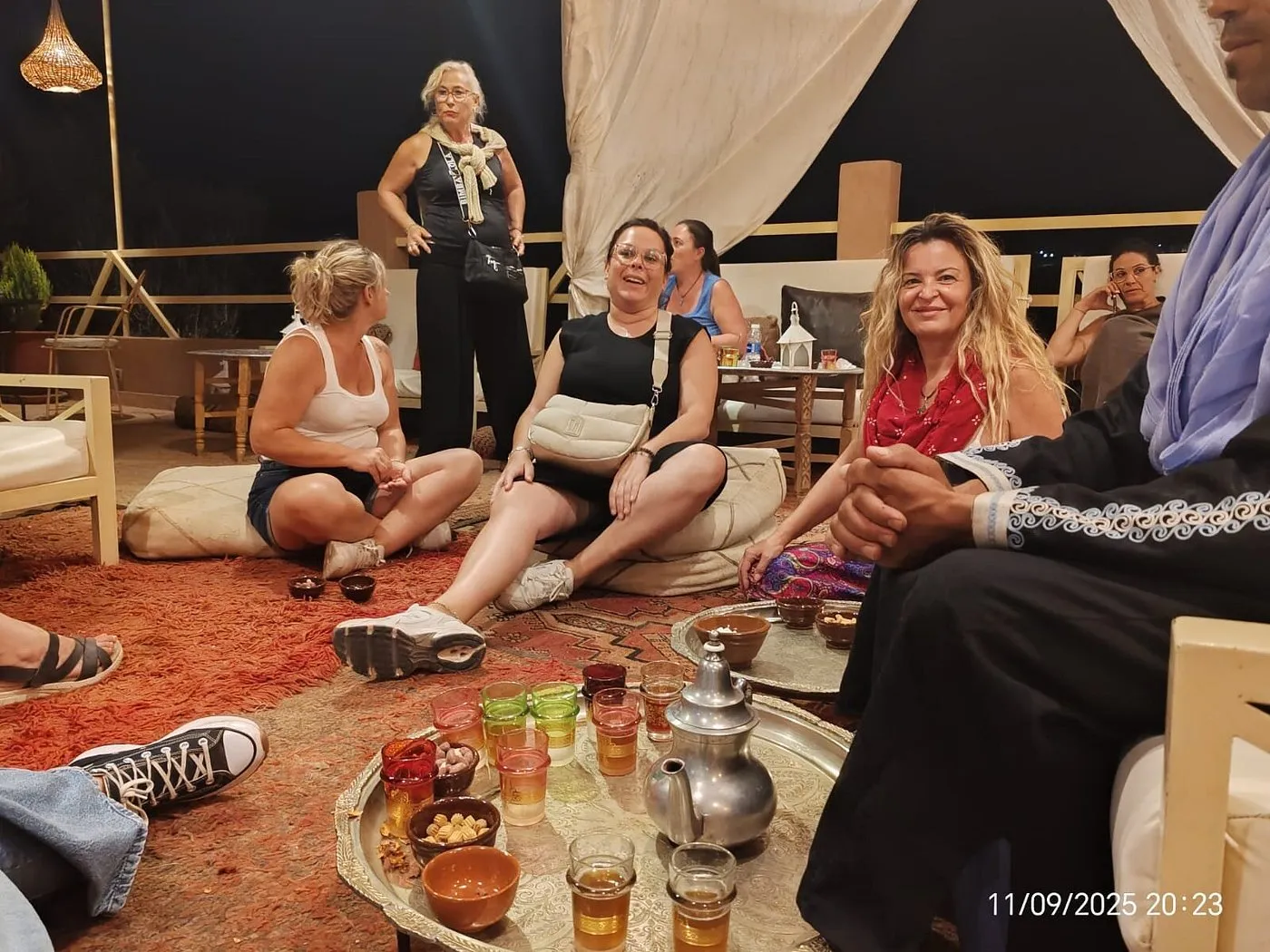
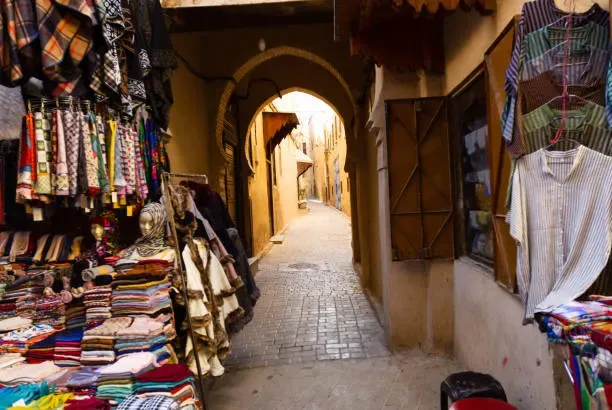
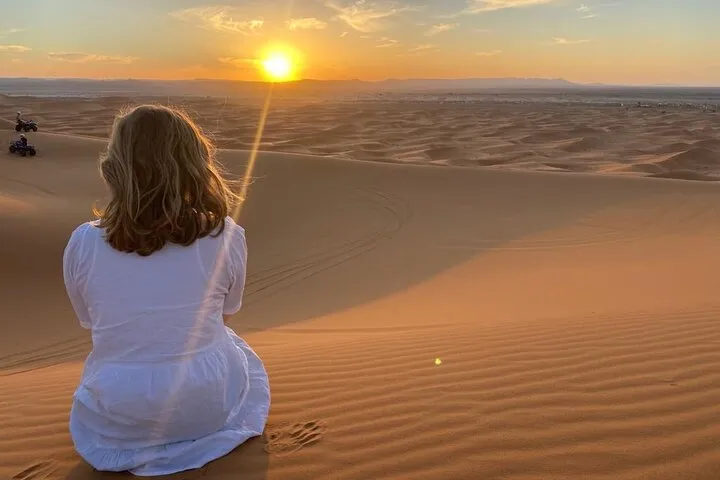
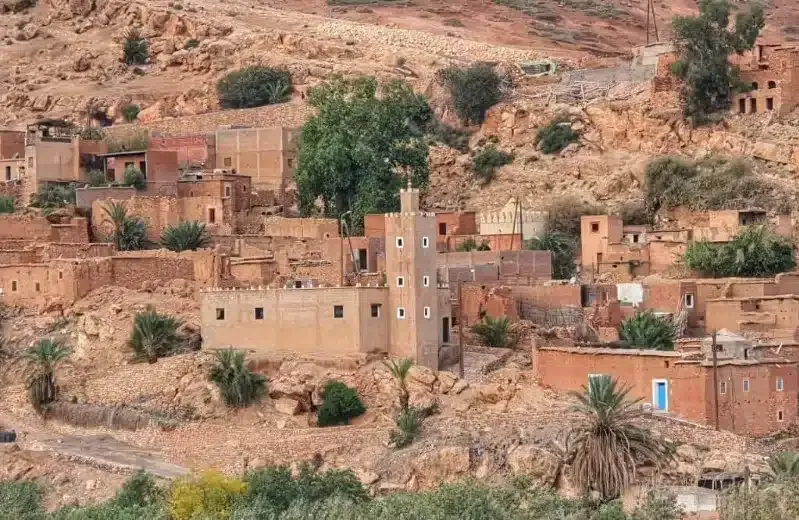
Culture Tours Packages
Best Morocco Cultural tours Packages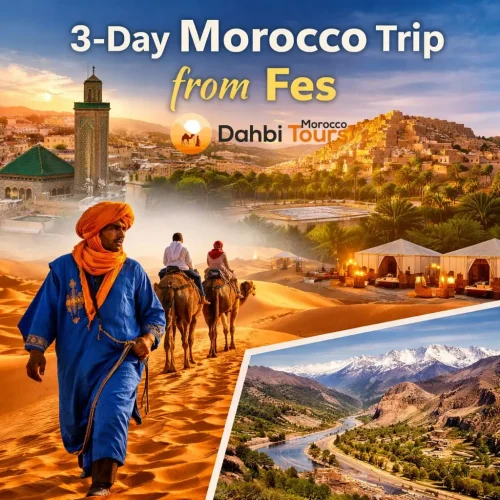
- From Fes
- 3 Days / 2 Nights
- Private tour
- Tailor-made tour
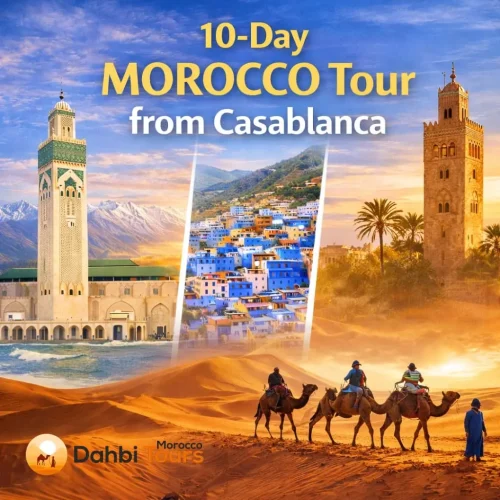
- From Casablanca
- 10 Days / 9 Nights
- Private tour
- Tailor-made tour
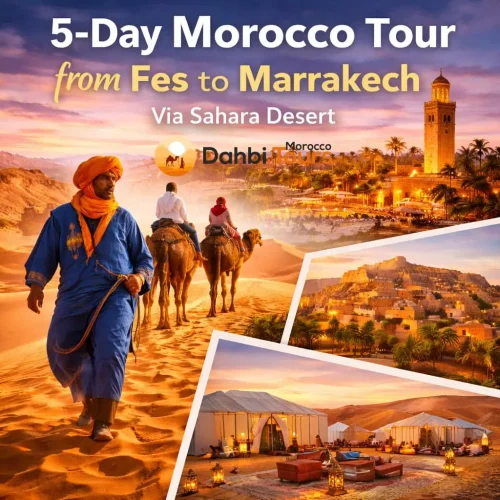
- From Fes
- 8 Days / 7 Nights
- Private Or Small group
- Tailor-made tour
Morocco cultural experiences tours
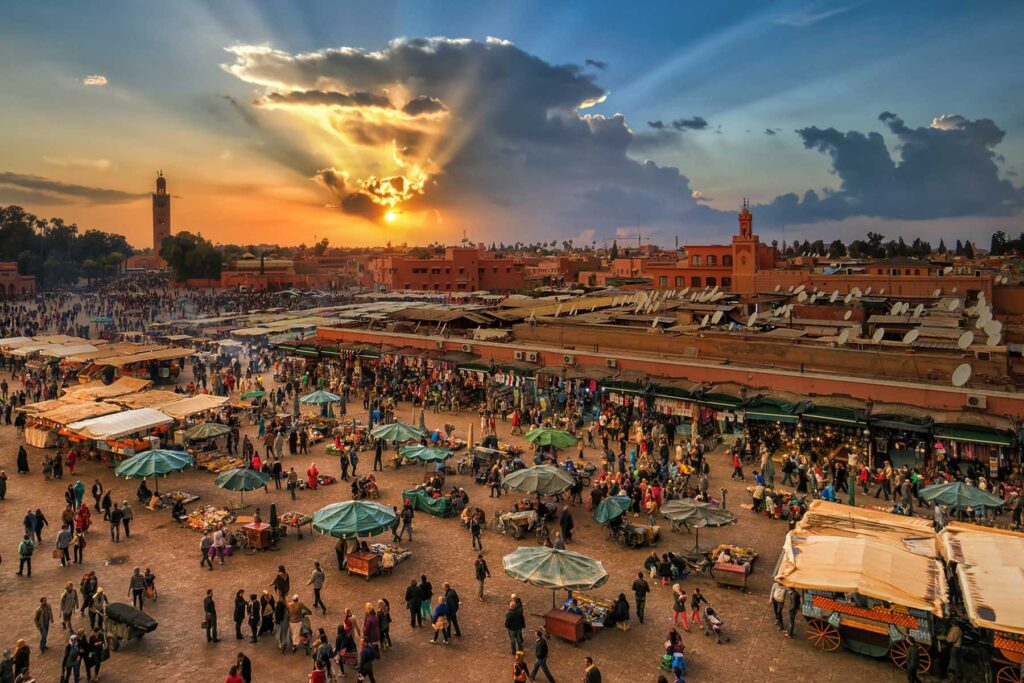
Morocco offers one of the richest cultural landscapes in North Africa, shaped by centuries of history, diverse civilizations, and living traditions. Our cultural tours in Morocco are carefully designed to include the most authentic and meaningful cultural experiences, guided by local experts who bring each place to life.
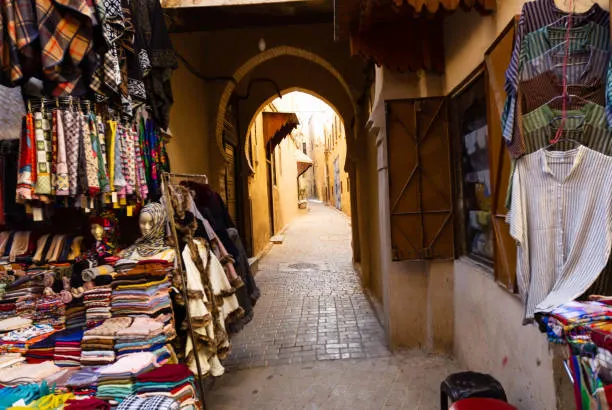
Explore Ancient Medinas & Imperial Cities
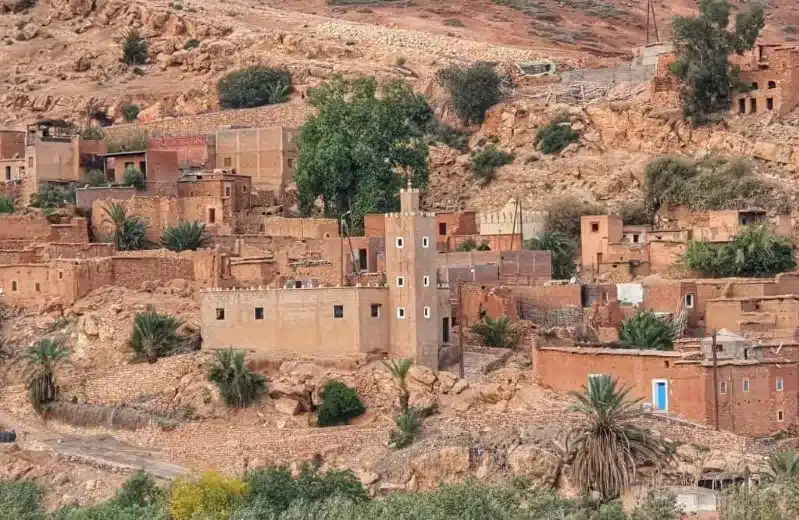
Discover UNESCO World Heritage Sites
Visit Morocco’s most iconic heritage landmarks, including Aït Ben Haddou, a spectacular fortified village, and the ancient medinas recognized by UNESCO for their historical and architectural value. These sites offer a comprehensive look at Morocco’s cultural and historical evolution.
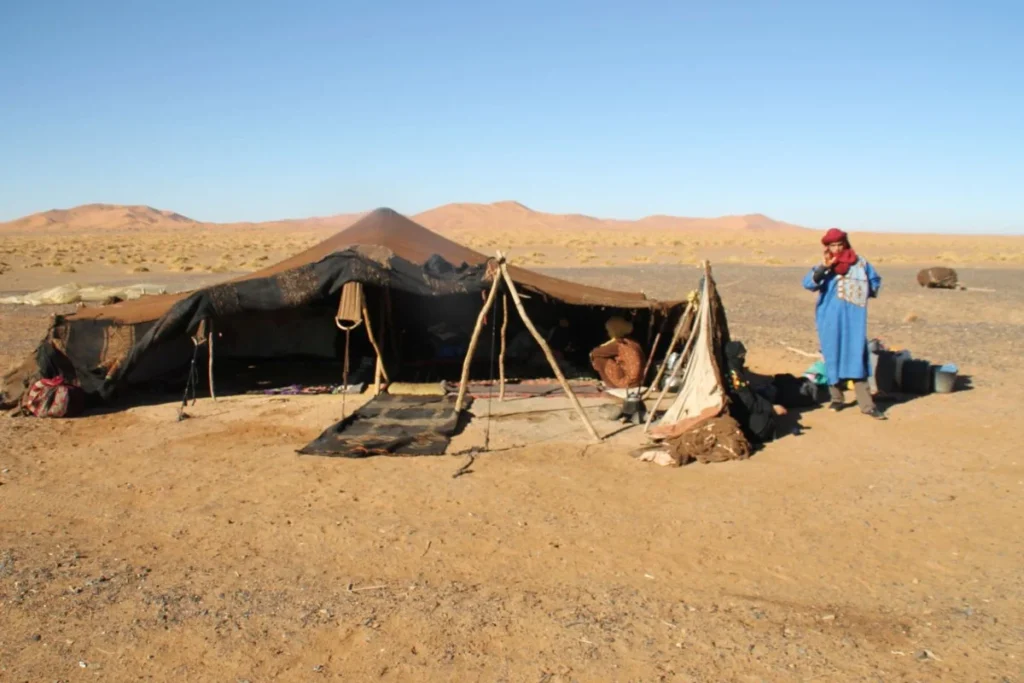
Experience Berber (Amazigh) Culture
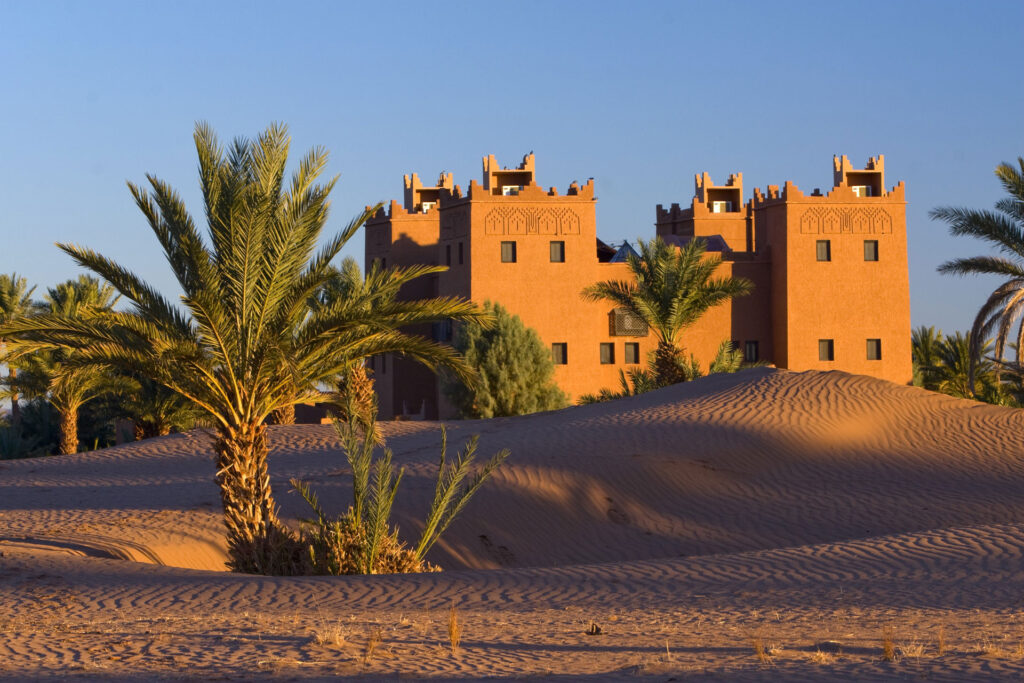
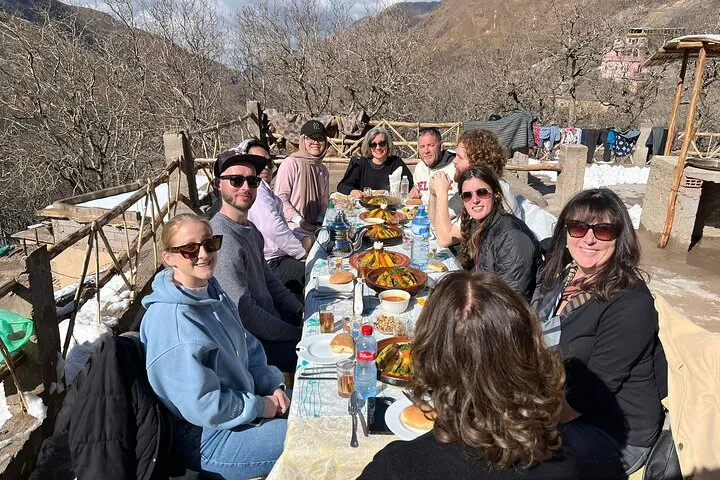
Visit traditional villages in the Atlas Mountains and southern Morocco to really get a feel for Amazigh (Berber) culture. One of the most meaningful cultural experiences in Morocco is eating with local families and learning about their customs, architecture, hospitality, and daily life.
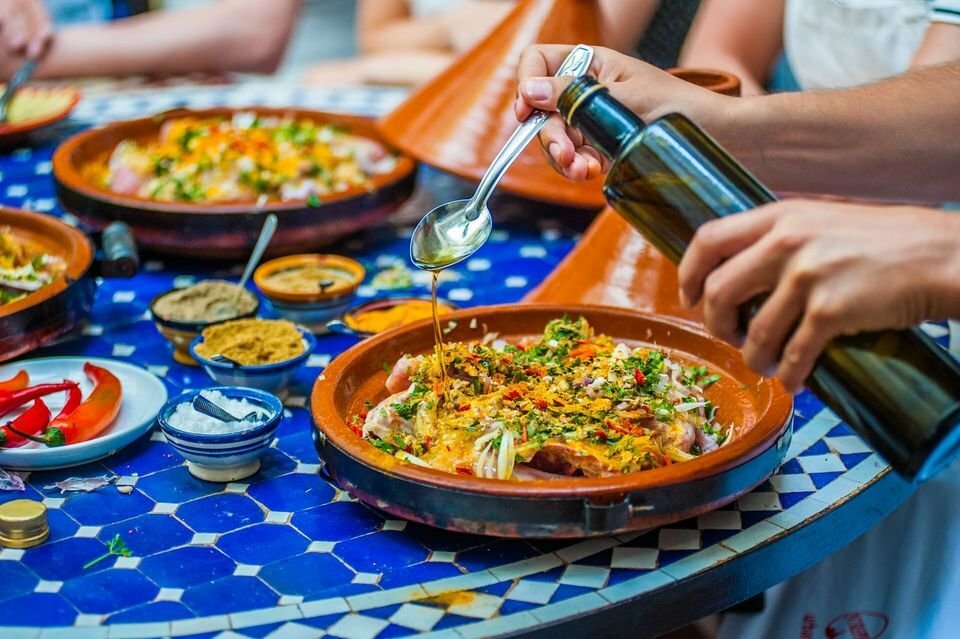
Moroccan Cuisine & Food Traditions
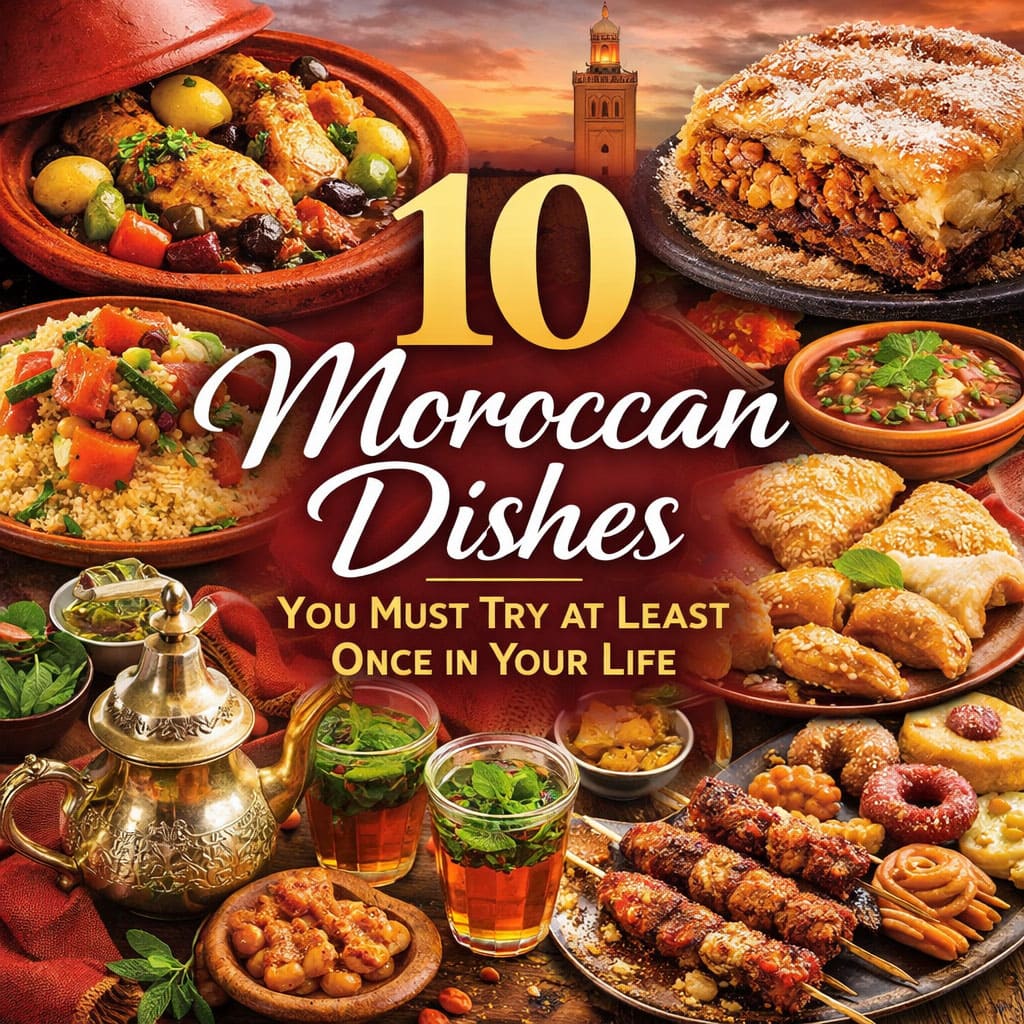
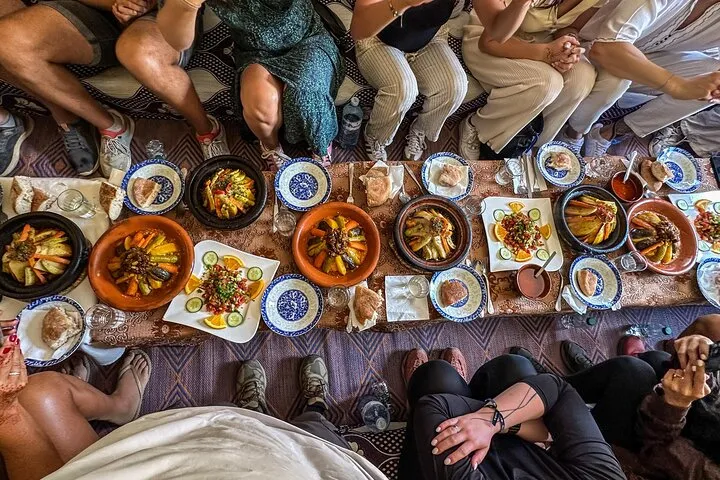
Morocco’s cuisine is an integral part of its culture. Take part in traditional meals, go to local markets, and learn about the stories behind famous dishes like Tagine, Couscous, and Pastilla. Food serves as an entry point to comprehend Moroccan familial dynamics and cultural identity.
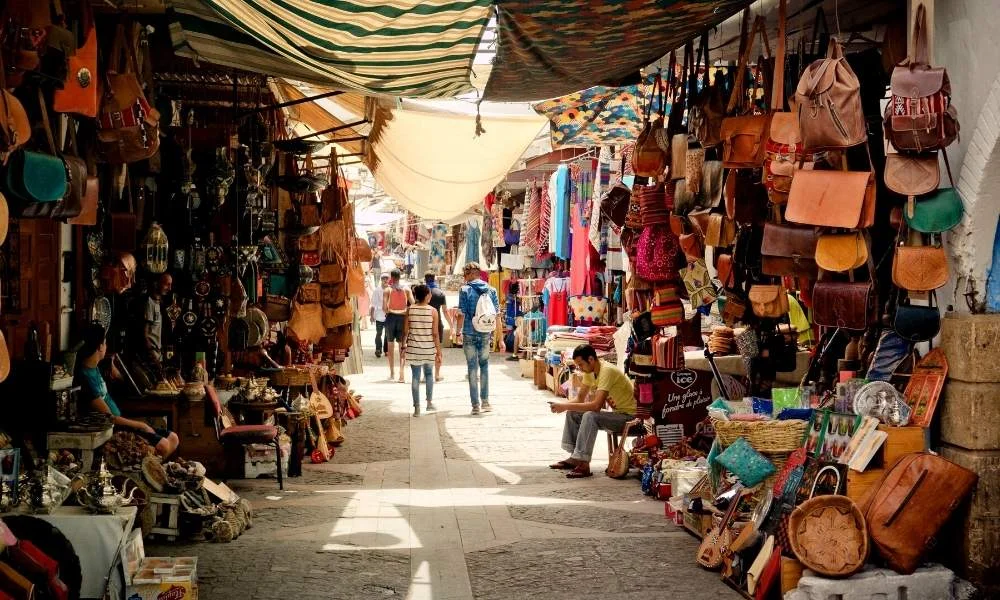
Traditional Moroccan Crafts & Artisans
Visit colorful souks and artisan neighborhoods where people still do crafts that have been around for a long time. You will see Moroccan craftsmanship passed down through the generations in pottery, leatherwork, carpets, wood carving, and metalwork. You will also learn about its cultural significance.
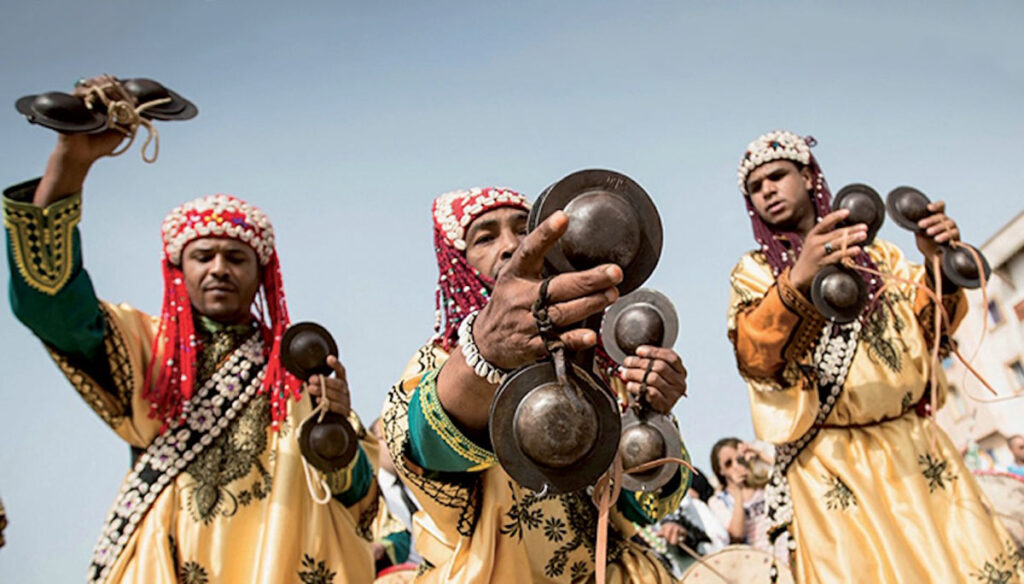
Music, Festivals & Living Traditions
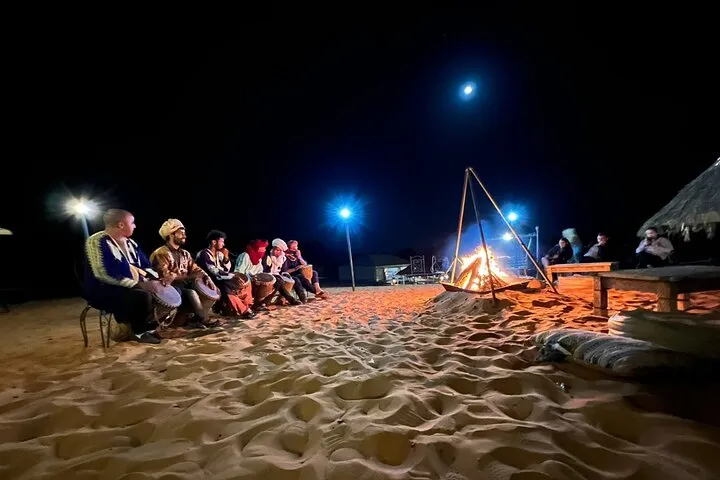
Depending on the season, experience traditional Moroccan music, folklore, and local festivals. Gnawa rhythms, Amazigh songs, and Andalusian influences reflect the country’s diverse cultural roots and vibrant living heritage.
Who Typically Books Cultural Tours in Morocco?
We design our cultural tours in Morocco for travelers seeking a deeper experience of the country than mere surface-level sightseeing. These tours focus on private luxury experiences, expert storytelling, and meaningful encounters with Morocco’s living heritage.
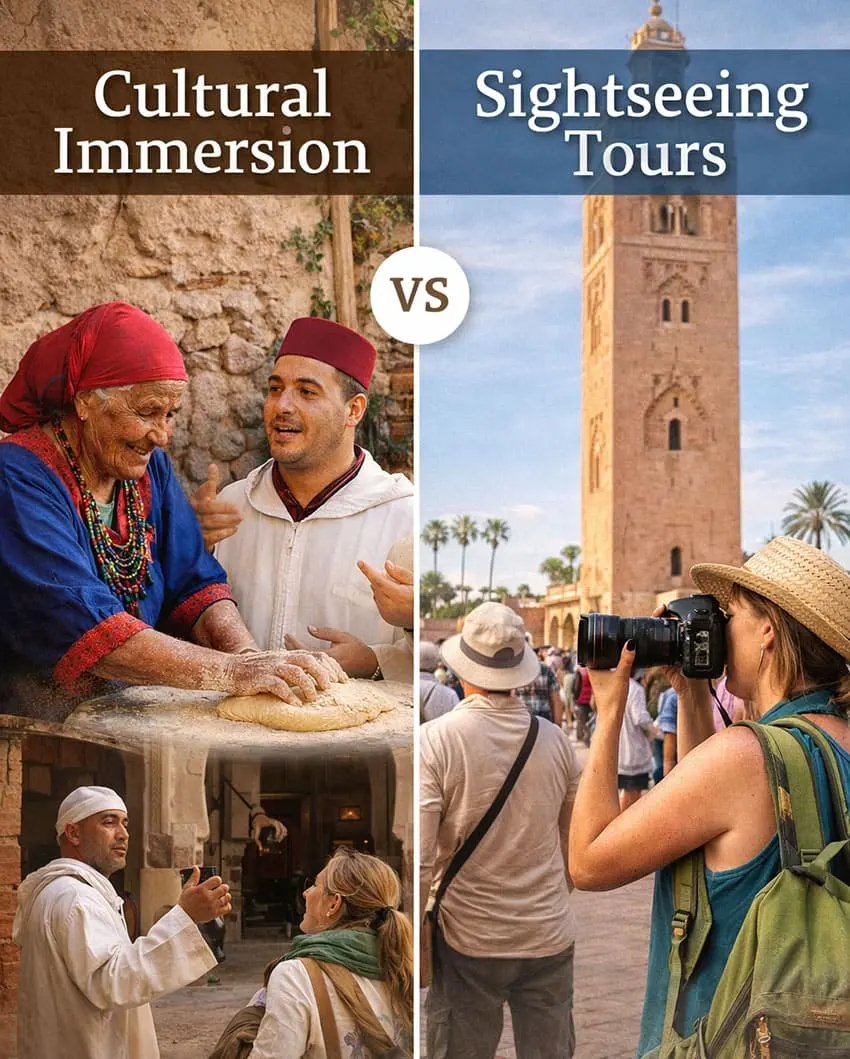
Cultural Immersion Tours vs Sightseeing Tours
When planning cultural tours in Morocco, it’s important to understand the difference between true cultural immersion tours and classic sightseeing tours. While both approaches allow you to see Morocco, the depth of experience is completely unique.
What Cultural Immersion in Morocco Really Means?
Cultural immersion tours focuses on understanding Moroccan life from the inside. Instead of simply visiting landmarks, you actively engage with local traditions, people, and daily routines. On our Morocco culture tours, this means spending time in medinas beyond the main tourist paths, visiting Berber villages, sharing meals with local families, learning about customs, and listening to stories told by local guides with lived experience.
You don’t just see Morocco—you experience how Moroccans live, celebrate, cook, work, and preserve their heritage.
What Classic Sightseeing Tours Offers?
Sightseeing tours are usually faster-paced and focus on highlights such as monuments, photo stops, and well-known attractions. While this approach is ideal for travelers with limited time, it often provides less cultural context and fewer personal interactions. Sightseeing answers the question “What does Morocco look like?”—but not always “How does Morocco live?”
The Key Differences at a Glance:
Cultural Immersion: Deeper understanding, slower pace, meaningful local encounters, expert explanations, and authentic experiences.
Sightseeing: Faster itineraries, surface-level visits, limited interaction, and a focus on major attractions.
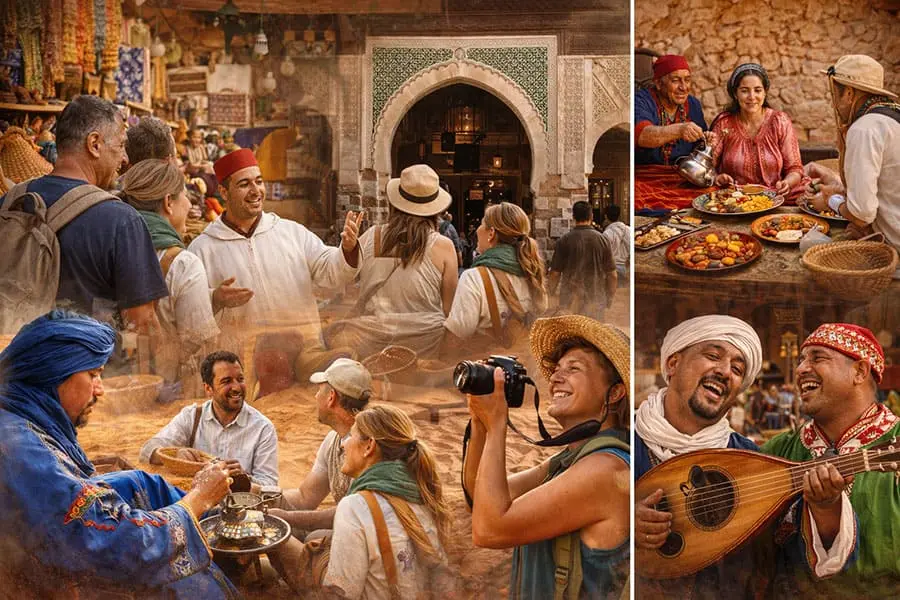
What to Expect on Our Cultural Tours in Morocco
Our tours are designed to prioritize cultural immersion while still including Morocco’s must-see sites. You can expect:
- Guided cultural explanations, not just visits
- Time for interaction with locals and artisans
- Experiences rooted in history, traditions, and everyday life
- Flexible pacing for learning, discussion, and discovery
This balanced approach ensures you gain both visual highlights and cultural depth, making your journey more meaningful and memorable.
Ready to explore Morocco in cultural experiences ?
Start Planning Your Cultural Tour Today
Experience the magic of Morocco with our private cultural tours. Whether you want a cultural adventure, desert trekking, or a once-in-a-lifetime Sahara experience, we have the perfect itinerary for you
Why Choose Our Cultural Tours
If you want to have a great time in Morocco, you need to pick the right travel buddy. We carefully plan our culture tours in Morocco to make sure they are comfortable, real, and adaptable. Local experts who know the area well will help you and give you excellent service the whole time.
Local Expertise & Trusted Guides
Our Morocco tours are led by experienced local guides and professional drivers who have an in-depth knowledge of Morocco’s history, culture, and landscapes. Born and raised in the region, our team knows the best routes, hidden viewpoints, and authentic stops.
Private & Tailor-Made Tour Experiences
We offer both private Morocco tours and shared small-group desert tours, allowing you to travel your way. Whether you prefer a personalized itinerary or a budget-friendly shared tour, we have the perfect option
Authentic Local Experience & Quality Service
Our cultural tours are designed and operated by local experts who know the country beyond the guidebooks. We take you off the beaten path to see the real Berber culture, traditional villages, and the most beautiful scenery in Morocco, not just the tourist attractions.
Our Clients Reviews & Testimonials
EXCELLENTVerified One of the best experiences Just leaving Morocco after an absolutely spectacular experience with Dahbi. We began our trip in Casablanca and ended in Marrakech. He was so amazing and one of the most memorable parts of the trip! He was incredibly kind and very accommodating. It’s not easy to travel with a toddler and he always kept her happy by finding a cat and always keeping her entertained. She loves cats. We learned a lot about Moroccan life, history, and culture from him. As a travel professional, I was a little anxious about having someone else take care of the trip details, but everything was fantastic. I never allow anyone to take care of my travel arrangements since I am very picky and but I was pleased with the quality of service. Our driver drove us in very comfortable Mercedes minivan. I especially enjoyed our Raid in Dades and the tent in the desert. They were absolutely amazing, as was the food served there. At the desert campsite, we were treated to drumming by local musicians. We were surprised to see Dahbi drumming along with them! It turns out that he’s a man of many talents. The campsite was beautiful. It was a great experience. Dahbi was so knowledgeable and engaging. He also took me to a spa where I had the most amazing Hammam experience and massage. I felt so relaxed and very clean afterwards. Dhabi also took fantastic pictures and videos of my family and I. I highly recommend Dahbi He will provide you with an unforgettable, uniquely Moroccan experience. I miss them and Morocco already.Posted onVerified Amazing memories with the best people! We just come back to Marrakech from our three days tour to Merzouga. I’m been working for a few months with Houssain, he’s amazing! Very responsive, professional and absolutely honest. Although every detail was planned with him, our tour driver and guide was Mohamed. We couldn’t have a more perfect, pleasant and enjoyable trip! Mohamed was a phenomenal driver, we felt safe all the time. He was funny, respectful, professional, knowledgeable. Every detail of the trip was carefully prepared by Houssain, the Sahara camp, ATV ride, camels ride, local food, entertainment, etc. everything was flawless!! I have to be honest planning everything through WhatsApp messages, could be a little risky at times. But you can tell by the reviews, that Houssain and Mohamed represent this company very well! Good job guys! My family and I are thankful to visiting your beautiful Country and have such a wonderful memories with you! Thank you very much!Posted onVerified Increíble experiencia!! Dahbi Morocco tours desde el inicio a nuestra llegada a marrakech con nuestro guía Houssain quién en todo momento nos brindó seguridad en cada visita a los hermosos museos en el primer día. Visita a playa Essaouira una experiencia maravillosa con sus aguas cálidas. Visita y cena en el desierto con un paisaje increíble!! Recomiendo 100% la agencia y al nuestro Guía!!!Posted onVerified Excelente experiencia Muy buena experiencia, recomendable 100% nos hizo un tour en Marrakech, en el desierto, en la playa, por los mercados y los mejores lugares turísticos. Somos 5 amigas que nos sentimos muy seguras y comodas con Dahbi Morocco Tours, también sus conductores fueron muy amables y cordiales con todas nosotras.Posted onVerified Best Tour Company Hi Everyone! I had an amazing experiance with Dahbi Tour company. Throughout the entire trip, they took care of us . They picked my friend and I up from the airport in a reliable car and drove us to Marrekesh . The drivers driving skills were professional as well. All the activities we participated were fun, safe and educational. Our tour guide and driver were extremely professional throughout the trip and had a great personality. We had the chance to see the via hike the Atlas mountains and have lunch at a local Berber house and the food was amazing. Not only that, we went to the Blue City , Marrakesh, and Fes . We were 100 percent of the time in safe hands. I would recommend this tour company to anyone who is going to Morocco. Best of luck to this family owned company! When I go back to visit again, I will use you again:)Posted onVerified Highly Recommend I booked this Tour with Dahbi and Zakaria. I have to say the tour itself was incredible and I have no complaints. They picked us up in a Mercedes Benz Van, drive us to all the important spots, help us bargain for goods, and make sure we were completely taken care of. They were very kind, accommodating and informative. On the first day I lost my glasses at one of the sights, after we arrived at the hotel, Dahbi and Zakaria took me to a optician where they helped me bargain for glasses and purchase a pair. This act of kindness from them saved my trip. Also the camel riding was a once in a lifetime experience and one you can’t miss out on.Posted onVerified Fantastic experience I just finished my week vacation in Morocco and this tour company was amazing every step of the way- from the planning stages (very responsive) to the drop off at the airport. As 2 female travelers, my friend and my priorities were to feel safe while still being adventurous. We felt very comfortable during our time in Casablanca, Marrakech, Essouira, the Atlas Mountains, Agafay Desert, Fes, and Chefchaouen. Our tour guide Houssain went above and beyond, we felt catered to and very well taken care of. He was professional, knowledgeable, and friendly. I highly recommend using this tour company for your trip to Morocco.Posted onVerified Morocco tour I had a great time during my trip with Houssian. He as a local had good knowledge of the area and people and the different spots to go. And there were a lot!Posted onVerified Amazing experience We've booked a full tour which included an unforgettable night in the Sahara, traveling through the Atlas Mountains und saw so much secret / hidden places due to the knowledge and experience of our guides. Talking about it - we've had so much fun with them and even now stay in touch. We will definitely book another trip once we're back in Morocco!Posted onVerified Awesome tour to see morocco My wife and I just returned from our 10-day trip to Morocco. Dahbi Tours was excellent every step of the way, and our tour Guide Houssain was very diligent and went above and beyond to make us feel safe and taken care of. Every person you come into contact with at this company is extremely professional. The accommodations was superb. You will feel like royalty on a trip through this local company. I highly recommend them.

Frequently Asked Questions About Cultural Morocco Tours
Morocco has a lot of Muslims, and dressing modestly shows respect for their culture and makes interactions better, especially outside of tourist areas. This means that women should generally cover their shoulders and knees. Long skirts or pants that are light and loose at the waist are great. It's not against the law to wear a scarf to cover your hair when you go to a mosque or in a conservative area, but it's a good idea. In tourist areas, shorts are usually fine for men, but long pants are more respectful, especially when visiting religious sites or rural areas. Men and women should both stay away from tight or revealing clothes. That said, you will see more Western clothing in the modern ville nouvelle of Marrakech or along the beach in Casablanca. The most important thing is to read the context. When in doubt, more coverage is always right. We give you specific advice based on the places and things you plan to do on your trip.
Yes. We offer family-friendly Morocco culture tours that cater to children, teenagers, and multi-generational travelers.
We offer both private and small-group cultural tours in Morocco, depending on your preferences and travel style.
No. Our local guides provide clear explanations and cultural context, making these tours accessible and educational for first-time and experienced travelers alike
Cultural tours in Morocco are best for travelers interested in history, traditions, local lifestyles, and authentic cultural experiences led by expert local guides.
You can enjoy Morocco's cultural experiences all year long, but the weather can make them less comfortable. The best weather is in the spring (March to May) and fall (September to November), when it's warm but not too hot, there isn't much rain, and the evenings are comfortable. These are the best times to travel to Morocco for culture, with festivals, great weather for exploring, and stunning scenery. The summer months of June to August are very hot, especially in cities like Fes and Marrakech that are in the middle of the country and in the desert. But the coast stays cool and the mountains are a cool place to escape. Some places and festivals also have fewer tourists in the summer. Winter (December to February) can be cold, especially at night in the mountains and deserts. But cities are mild and not too crowded, prices drop, and you'll see Morocco more like a local. Cultural activities like going to medinas, museums, artisan workshops, and eating home-cooked meals are just as fun all year long. We help you pick the best time based on how hot or cold you like it, how many people you can handle, and any specific events you want to see.
Cultural immersion is ideal for travelers seeking authentic experiences, deeper understanding, and local interaction, while sightseeing is better for short visits focused on highlights.
Yes. Our cultural tours combine key landmarks with immersive cultural experiences for a well-rounded journey.
All of our cultural Morocco tours include everything and have clear prices. Most of the time, transportation is in private, comfortable vehicles; licensed professional guides are with you the whole time; accommodations are as listed in your itinerary; most meals are included (usually breakfast every day, plus lunches and dinners as needed); entrance fees to sites, museums, and monuments; cultural activities like cooking classes, artisan workshops, or music performances; and help from our team before, during, and after your trip. Items that are not included are usually: international flights to and from Morocco, travel insurance (which we strongly recommend), alcoholic drinks, personal shopping, tips for guides and drivers (optional but appreciated), and meals that are not listed in your itinerary. We focus on making custom tours, so your proposal will list exactly what is included. We believe in clear pricing with no extra fees. The price we give you includes everything, so you can plan your budget with confidence.
Cultural immersion tours are best for travelers interested in history, traditions, local lifestyles, and meaningful travel experiences.
About us
DAHBI MOROCCO TORS is a local travel company specializing in private, custom tours across Morocco. We offer authentic experiences, professional local guides, and reliable service trusted by international travelers.